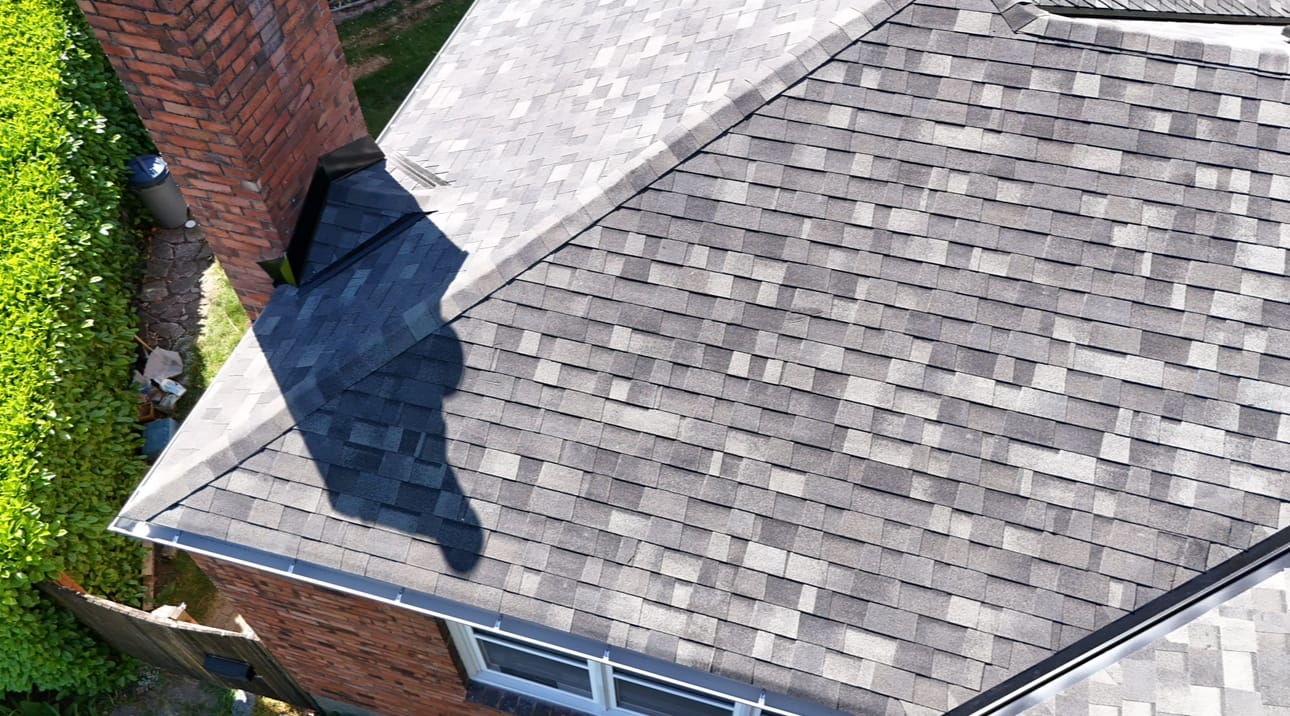
If you own a home in Western Washington, moss on your roof is not a matter of if but when. The combination of abundant rainfall, mild temperatures, mature tree canopy, and extended periods of overcast sky creates ideal growing conditions for moss on virtually every type of roofing material. While a light dusting of moss might look like harmless PNW character, unchecked moss growth is one of the leading causes of premature roof failure in our region. Understanding how to prevent it, and how to deal with it when it appears, is essential knowledge for every Washington homeowner.
Why Moss Is More Than a Cosmetic Problem
Moss on a roof is not just an aesthetic issue. Moss is a living organism that actively retains moisture and grows root systems that work beneath and between roofing materials. On composition shingles, moss roots lift the shingle tabs and break the seal between overlapping layers, creating pathways for water to reach the underlayment and deck. On cedar shake, moss holds moisture against the wood surface for extended periods, dramatically accelerating the decay process.
The damage compounds over time. A thin layer of moss in year one becomes a thick mat by year three if left untreated. That thick mat holds significantly more water weight, stays wet longer between rain events, and has deeper root penetration into the roofing material. By the time moss damage becomes visually obvious from the ground, the deterioration beneath the surface is often advanced.
In Western Washington, moss-related damage is a contributing factor in a significant percentage of premature roof replacements. Roofs that might have lasted 30 or more years with proper moss management sometimes need replacement after just 15 to 20 years because unchecked moss accelerated their deterioration.
What Makes Washington State a Moss Paradise
Several factors unique to Western Washington combine to create some of the most favorable moss-growing conditions in the country:
Rainfall. Western Washington receives 37 to 60 inches of rain per year depending on location, with the majority falling between October and April. This extended wet season keeps roof surfaces moist for months at a time, exactly what moss needs to thrive.
Mild temperatures. Unlike regions with harsh winters that kill off moss growth annually, Western Washington’s mild winters allow moss to grow year-round. Temperatures rarely drop low enough to freeze and kill established moss colonies.
Tree canopy. The Pacific Northwest’s famous tree cover creates shade on many residential roofs. Shaded roof sections stay damp longer after rain events and receive less UV exposure, both of which favor moss growth.
Overcast skies. Extended cloud cover during the wet season limits the UV light that naturally inhibits moss growth. In sunnier climates, UV exposure helps keep moss at bay, but Western Washington’s gray skies remove that natural defense.
Prevention Strategy 1: Zinc or Copper Ridge Strips
The most effective long-term moss prevention method is the installation of zinc or copper strips along the roof ridge. When it rains, water flowing over these metal strips picks up trace amounts of zinc or copper ions and carries them down the roof surface. These metal ions create an environment that inhibits moss, algae, and lichen growth.
Zinc strips are the most common choice due to their lower cost and proven effectiveness. Copper strips are more effective per square inch but cost significantly more. Both need to be installed properly, positioned at or just below the ridge so that rainwater flowing over them reaches as much of the roof surface as possible.
Important limitations to understand: zinc and copper strips are most effective on the upper two-thirds of the roof surface below the strip. Lower areas, valleys, and sections shielded from direct runoff may still develop moss and require supplemental treatment. The strips are also less effective on complex roof geometries with many dormers, valleys, and direction changes that divert water flow.
Prevention Strategy 2: Regular Debris Removal
Organic debris on your roof, leaves, pine needles, small branches, seed pods, creates micro-environments where moss thrives. Debris traps moisture, blocks sunlight, and provides organic matter that moss uses as a growing medium. Keeping your roof free of accumulated debris is one of the simplest and most effective moss prevention measures.
Clean your roof surface at least twice per year: once in late fall after deciduous trees have dropped their leaves, and once in spring. Use a soft-bristle broom, leaf blower, or gentle water spray. Never use a pressure washer on your roof, the high-pressure stream damages shingles, strips granules, and can split cedar shakes.
Prevention Strategy 3: Tree and Branch Management
Reducing shade on your roof directly reduces moss growth. Trees that overhang the roof or shade large portions of it should be trimmed back to allow more sunlight and air circulation across the roof surface. A general guideline is to maintain at least six to ten feet of clearance between tree branches and the roof.
This does not mean you need to remove your trees. Strategic pruning to raise the canopy, thin dense areas, and remove overhanging limbs can dramatically increase sunlight exposure on the roof without significantly changing the character of your landscaping. A certified arborist can recommend the most effective pruning approach.
Prevention Strategy 4: Moss-Resistant Roofing Materials
If you are planning a roof replacement, the roofing material you choose can significantly affect your future moss management requirements:
- Metal roofing is virtually moss-proof. Its smooth, hard surface gives moss nothing to grip, and any growth that does occur washes away easily.
- Composition shingles with algae-resistant granules. particularly Malarkey’s polymer-modified formulation, resist moss growth better than standard shingles.
- Composite shake resists moss far better than natural cedar because its synthetic surface does not absorb moisture or provide organic growing medium.
- Cedar shake is the most moss-susceptible common roofing material due to its organic nature, rough texture, and moisture-absorbing properties.
If moss management has been a persistent frustration, factoring moss resistance into your next roofing material decision is a smart long-term strategy. See our guide on the best roofing materials for Seattle’s rain and wind for a more detailed comparison.
Treatment: What to Do When Moss Is Already Growing
If moss is already established on your roof, prevention alone is not enough, you need active treatment.
Chemical moss treatment is the most effective approach. Professional-grade moss treatment products, typically based on zinc sulfate, potassium salts, or proprietary formulations, are applied directly to the moss. The chemicals kill the moss over a period of several weeks, after which the dead moss can be gently removed or allowed to weather away naturally.
The best time to apply moss treatment in Western Washington is during a dry stretch in late summer or early fall. The moss should be dry enough for the treatment to adhere and penetrate, and ideally you want at least 48 to 72 hours of dry weather after application before rain washes the product away.
Manual removal, gently brushing or scraping moss from the roof surface, can be done in conjunction with chemical treatment. Always work from the ridge down toward the eaves, brushing in the direction that the shingles overlap. Working against the grain can lift and damage shingle tabs. Use a soft-bristle brush, never a wire brush or scraper that could gouge the roofing material.
What not to do: Do not pressure wash your roof to remove moss. Pressure washing is the most common DIY mistake we see. While it removes moss instantly, it also strips protective granules from shingles, splits and damages cedar shakes, and can drive water beneath roofing materials. The cosmetic improvement is immediate, but the long-term damage shortens your roof’s lifespan significantly.
When to Call a Professional
Consider professional moss treatment if:
- Moss covers more than 25 percent of your roof surface
- Moss growth is heavy and deeply established (thick, spongy mats rather than light surface coverage)
- Your roof is steep enough that working on it safely requires harness equipment
- You are uncertain about the condition of the roofing material beneath the moss
- You want comprehensive treatment including chemical application, debris removal, and zinc strip installation
Professional roof cleaning and moss treatment in the Seattle area typically costs $300 to $800 for a standard residential roof, depending on the size and the severity of moss growth. When you consider that untreated moss can shorten your roof’s life by 5 to 10 years, translating to tens of thousands of dollars in premature replacement cost, professional treatment is one of the highest-return maintenance investments you can make.
Keep Your Roof Healthy
Moss management is an ongoing responsibility for every homeowner in Western Washington. The combination of prevention strategies, zinc strips, debris removal, tree management, and periodic professional treatment, keeps moss under control and protects your roof investment for decades. Contact K Single Corp at (206) 659-4349 for professional moss treatment and a comprehensive roof maintenance assessment.