The Quintessential Pacific Northwest Roof
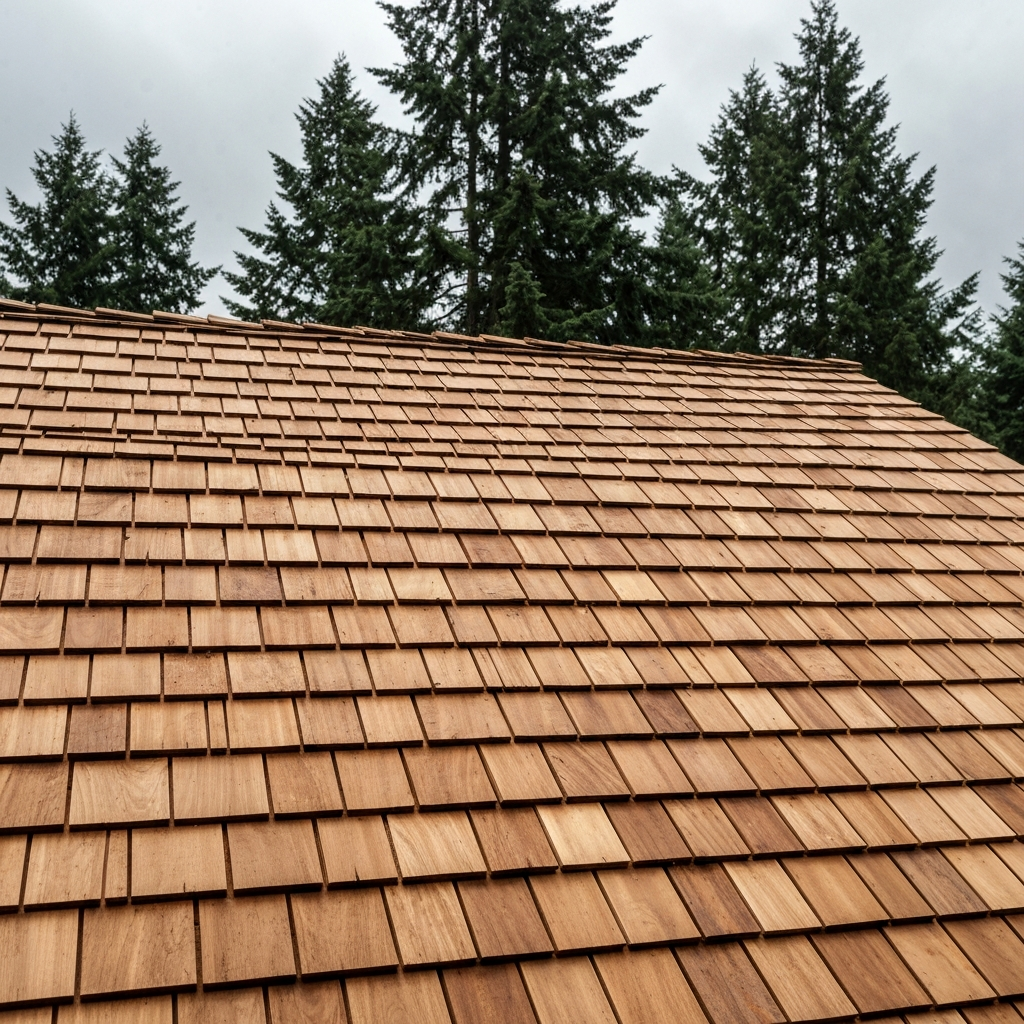
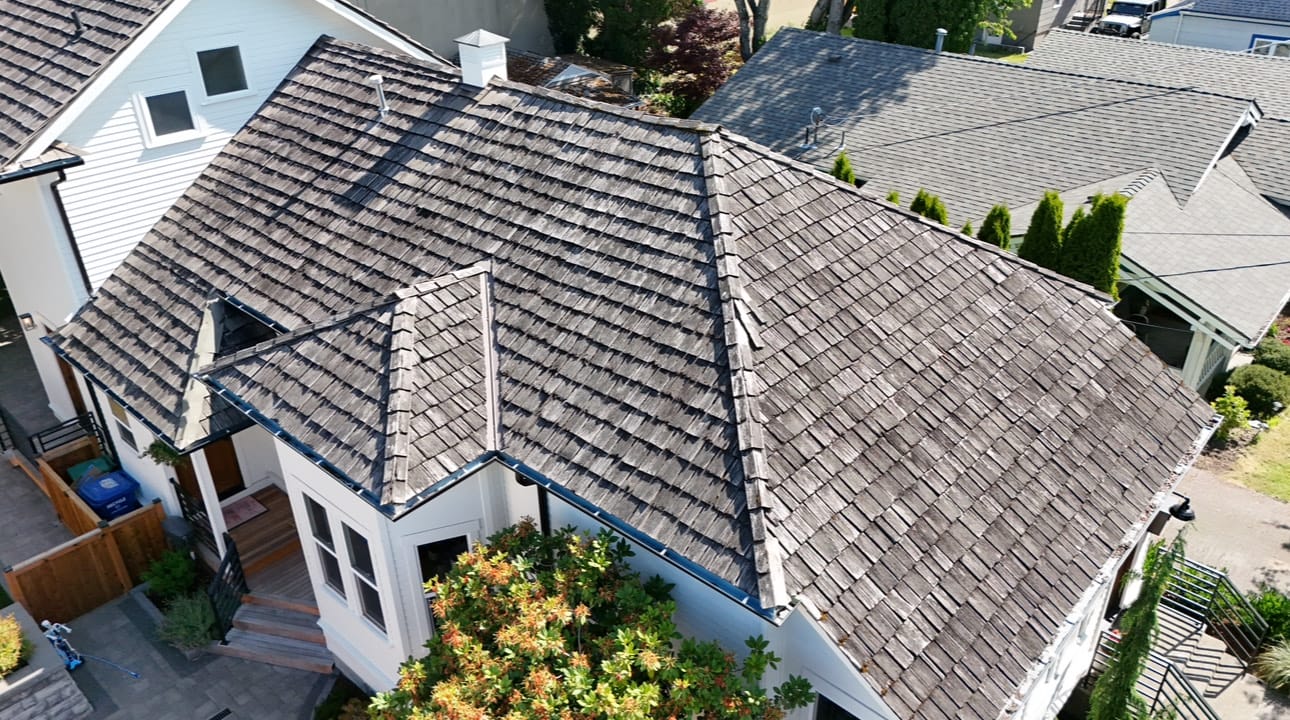
Few roofing materials are as deeply connected to the character of the Pacific Northwest as cedar shake. For well over a century, Western Red Cedar has been the defining roofing material across Seattle neighborhoods, from the craftsman bungalows of Capitol Hill to the waterfront estates of Mercer Island. Its warm tones, natural texture, and unmistakable weathered patina are as much a part of the PNW landscape as the evergreen forests the cedar comes from.
At K Single Corp, we have been installing and maintaining cedar shake roofs across the Greater Seattle Area since 2007. We understand the unique relationship between cedar and the Pacific Northwest climate, the advantages it offers, the challenges it presents, and the commitment it requires from homeowners.
Why Cedar Shake Thrives in the Pacific Northwest
Western Red Cedar has natural properties that make it remarkably well suited to our climate. The wood contains natural oils, primarily thujaplicin, that act as preservatives against insect damage, fungal growth, and moisture decay. These oils are why cedar was the material of choice for indigenous peoples of the Pacific Northwest long before European settlement.
Cedar shake also provides excellent thermal insulation. A cedar shake roof has roughly twice the insulating R-value of an asphalt shingle roof, which helps moderate temperatures in both summer and winter. In a region where heating costs dominate energy bills, that added insulation contributes to year-round comfort and lower utility expenses.
The material also handles rain exceptionally well when properly installed. Individual shakes swell slightly when wet, tightening the roof surface, and then contract as they dry, allowing trapped moisture to escape. This natural breathing cycle is one reason cedar roofs can last for decades in a climate that receives over 37 inches of rainfall per year.
Understanding Cedar Grades and Cuts
Not all cedar shake is created equal, and the grade and cut you choose will significantly affect both appearance and longevity.
Hand-Split and Resawn Shakes are split from cedar blocks by hand and then passed through a bandsaw to create one smooth side and one rough-textured side. This is the most common and traditional shake profile. The rough exterior face gives the roof its characteristic rustic texture, while the sawn back lies flat against the deck for a clean installation.
Tapersawn Shakes are sawn on both sides, producing a more uniform thickness and a slightly smoother appearance. They are easier to install consistently and tend to lay flatter, but they lack the deeply textured surface of hand-split shakes.
#1 Grade (Blue Label) shakes are cut from 100% heartwood, the dense, oil-rich center of the cedar log. Heartwood contains the highest concentration of natural preservatives and provides the longest lifespan. We use #1 grade exclusively for all our cedar installations.
#2 Grade (Red Label) shakes may contain some sapwood, which is less durable and more susceptible to decay. While less expensive, #2 grade shakes have a noticeably shorter service life in the PNW climate and are not recommended for this region.
The Fire Conversation
Fire safety is one of the most important considerations for cedar shake roofing. Untreated cedar carries a Class C fire rating, the lowest classification for roofing materials. This has led several communities in fire-prone areas to restrict or prohibit untreated cedar roofs.
In the Greater Seattle Area, untreated cedar shake is still permitted by code in most jurisdictions. However, we strongly recommend fire-retardant treated (FRT) cedar shakes for every installation. Pressure-impregnated fire-retardant treatment raises the rating to Class B or Class A, dramatically improving fire resistance. Modern FRT processes penetrate deep into the wood fibers without significantly affecting the natural appearance or weather resistance of the cedar.
Homeowners should also be aware that some insurance companies charge higher premiums for homes with cedar shake roofs, and a few will not insure untreated cedar roofs at all. Fire-retardant treated cedar generally qualifies for standard insurance rates. We recommend checking with your insurance provider before finalizing your roofing material decision.
Moss: The Unavoidable PNW Challenge
If you have a cedar shake roof in Western Washington, you will deal with moss. The combination of rainfall, shade from mature trees, and organic debris creates ideal growing conditions for moss on any organic roofing surface. Cedar shake is particularly vulnerable because its rough texture gives moss spores excellent grip, and the natural wood fibers provide a hospitable growing medium.
Left unchecked, moss does far more than cosmetic damage. Moss roots work between and beneath individual shakes, lifting them from the surface and creating gaps where water infiltrates. Moss also holds moisture against the wood surface for extended periods, accelerating decay. A moss-covered cedar roof can lose a decade or more of useful life compared to one that receives regular treatment.
Effective moss management for cedar shake includes:
- Zinc or copper ridge strips that release moss-inhibiting metals during rainfall
- Regular debris removal. leaves, needles, and branches trap moisture and promote moss growth
- Professional moss treatment every 12 to 24 months using products formulated for cedar
- Tree trimming to increase sunlight exposure and air circulation across the roof surface
- Gutter maintenance to prevent water backup at the eaves
It is important to note that pressure washing is not recommended for cedar shake roofs. The high-pressure water stream can split and damage the wood fibers, strip away natural oils, and significantly shorten the roof’s lifespan. Professional cedar cleaning uses low-pressure application of cleaning solutions followed by gentle rinsing.
When to Repair vs. When to Replace
Cedar shake roofs are repairable in ways that many other roofing materials are not. Individual damaged shakes can be slid out and replaced without disturbing the surrounding roof surface. This makes spot repairs practical and cost-effective for isolated damage.
However, there comes a point when ongoing repairs no longer make financial sense. Signs that a cedar shake roof is approaching end of life include:
- More than 20% of shakes are cracked, split, or curled
- Shakes have become thin and brittle from decades of weathering
- Widespread moss damage has compromised the integrity of the shake layer
- The original wood has darkened to deep brown or black rather than the characteristic silver-gray
- Multiple areas show soft or spongy decking beneath the shakes
- Repair costs over the past three years have exceeded $2,000 to $3,000 cumulatively
When replacement is needed, you face a choice: install new cedar shake or transition to a different material. Many homeowners in established PNW neighborhoods choose to stay with cedar because it maintains the architectural character of their home and neighborhood. Others opt for composite shake products that replicate the cedar appearance without the ongoing maintenance requirements.
The Composite Alternative
The growth of composite shake roofing has given PNW homeowners an important option. Products from manufacturers like DaVinci and Brava use engineered polymers to recreate the look of hand-split cedar shake with dramatically lower maintenance needs. Composite shakes are Class A fire rated, impervious to moss infiltration, and carry 40 to 50 year warranties.
We discuss composite roofing in detail on our composite roofing page, but the short version is this: if you love the cedar aesthetic but are done with the maintenance, composite is worth serious consideration. If you value the authenticity of real wood and are committed to proper upkeep, nothing matches genuine cedar.
Our Cedar Shake Installation Process
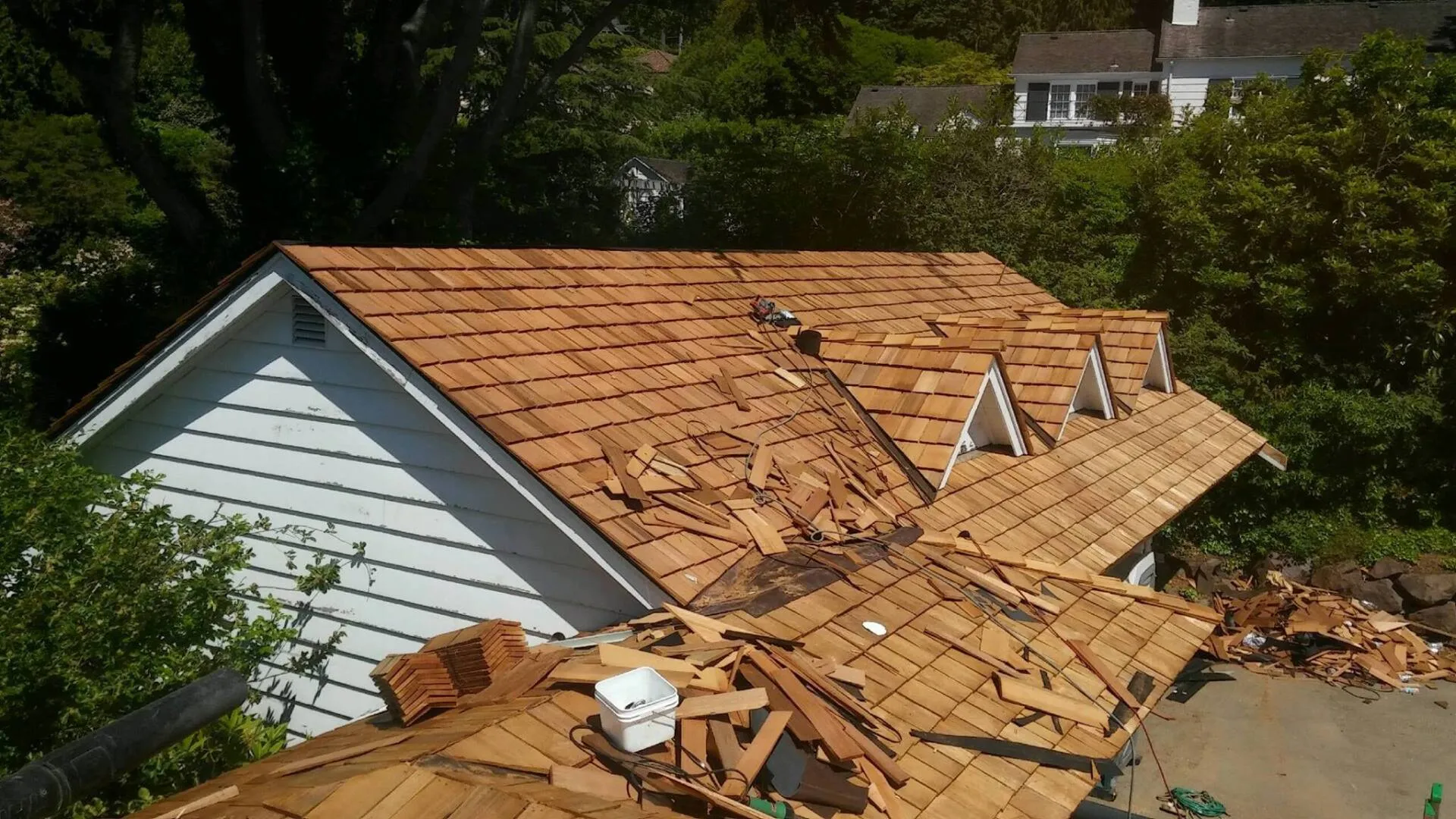
Every cedar shake installation by K Single Corp follows a precise process developed over years of PNW roofing experience:
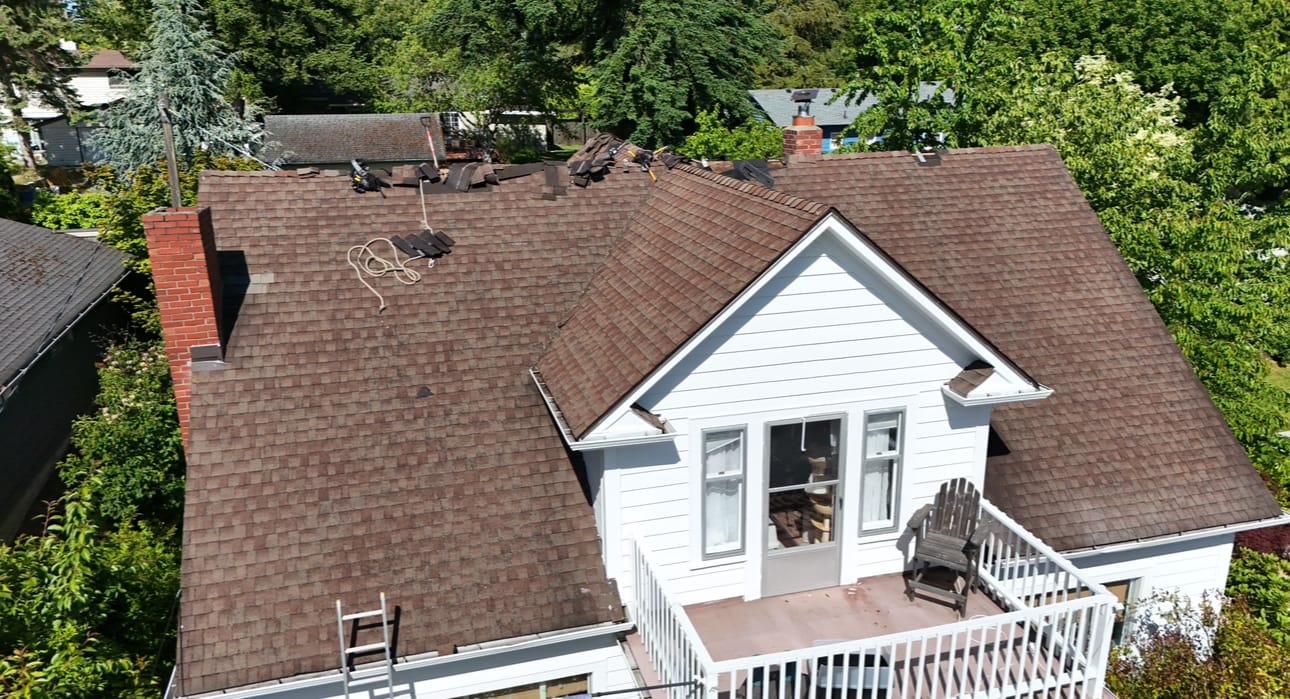
- Complete tear-off of existing roofing material down to bare deck
- Thorough inspection and replacement of any damaged or rotted sheathing
- Installation of ice-and-water shield membrane at eaves, valleys, and around all penetrations
- Installation of skip sheathing or ventilated battens to ensure air circulation beneath the shakes
- Application of #1 grade, hand-split and resawn Western Red Cedar shakes with stainless steel fasteners
- Proper exposure and overlap according to shake length and roof pitch
- Woven or closed-cut valley construction for watertight valley transitions
- Zinc or copper ridge strips for moss prevention
- Ridge cap installation using matching cedar
- Final inspection, cleanup, and magnetic nail sweep
We use stainless steel nails exclusively for cedar installations. Standard galvanized nails can react with cedar’s natural acids over time, causing premature corrosion and dark staining. Stainless steel eliminates both issues and lasts as long as the cedar itself.
Cost Expectations
For a typical 2,000 to 2,500 square foot Seattle-area home, a complete cedar shake roof replacement with #1 grade hand-split shakes runs approximately:
- Standard cedar shake installation: $20,000 - $30,000
- Premium installation with fire-retardant treated shakes: $24,000 - $35,000
These ranges include tear-off, deck repair, underlayment, materials, labor, permits, and disposal. Final pricing depends on roof complexity, accessibility, the extent of deck repair needed, and whether fire-retardant treated shakes are selected.
Cedar shake is not the least expensive roofing option, but for homeowners who value its natural beauty and are prepared for the maintenance commitment, it delivers a roofing experience that no other material can match. Contact K Single Corp at (206) 659-4349 for a free cedar shake roof evaluation and honest assessment of whether cedar is the right choice for your home.