The Modern Alternative to Natural Cedar and Slate
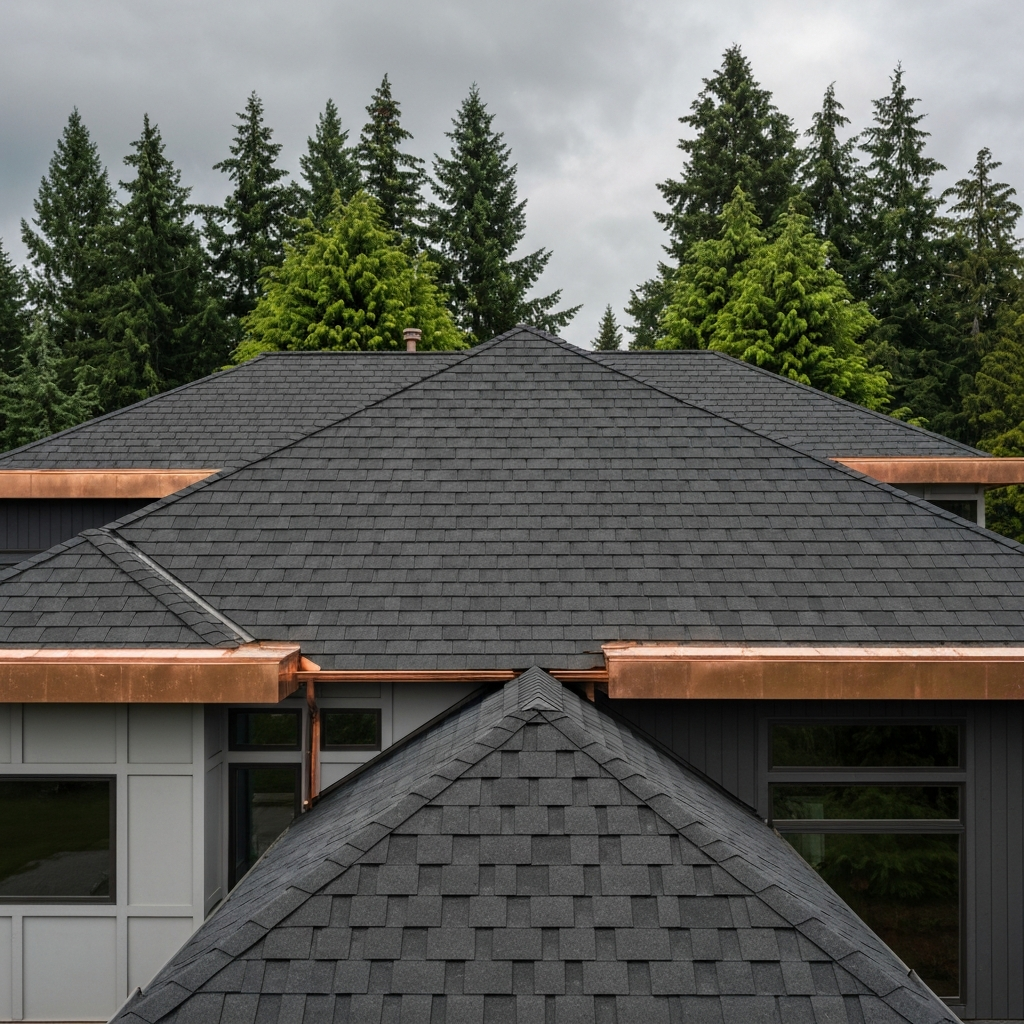
Composite roofing has emerged as one of the most compelling roofing options for Pacific Northwest homeowners, particularly those who love the appearance of cedar shake or natural slate but want to leave the maintenance behind. Using advanced polymer engineering and molds cast from actual natural materials, today’s composite roofing tiles achieve a remarkably authentic appearance while delivering fire resistance, weathering durability, and maintenance freedom that natural materials simply cannot match.
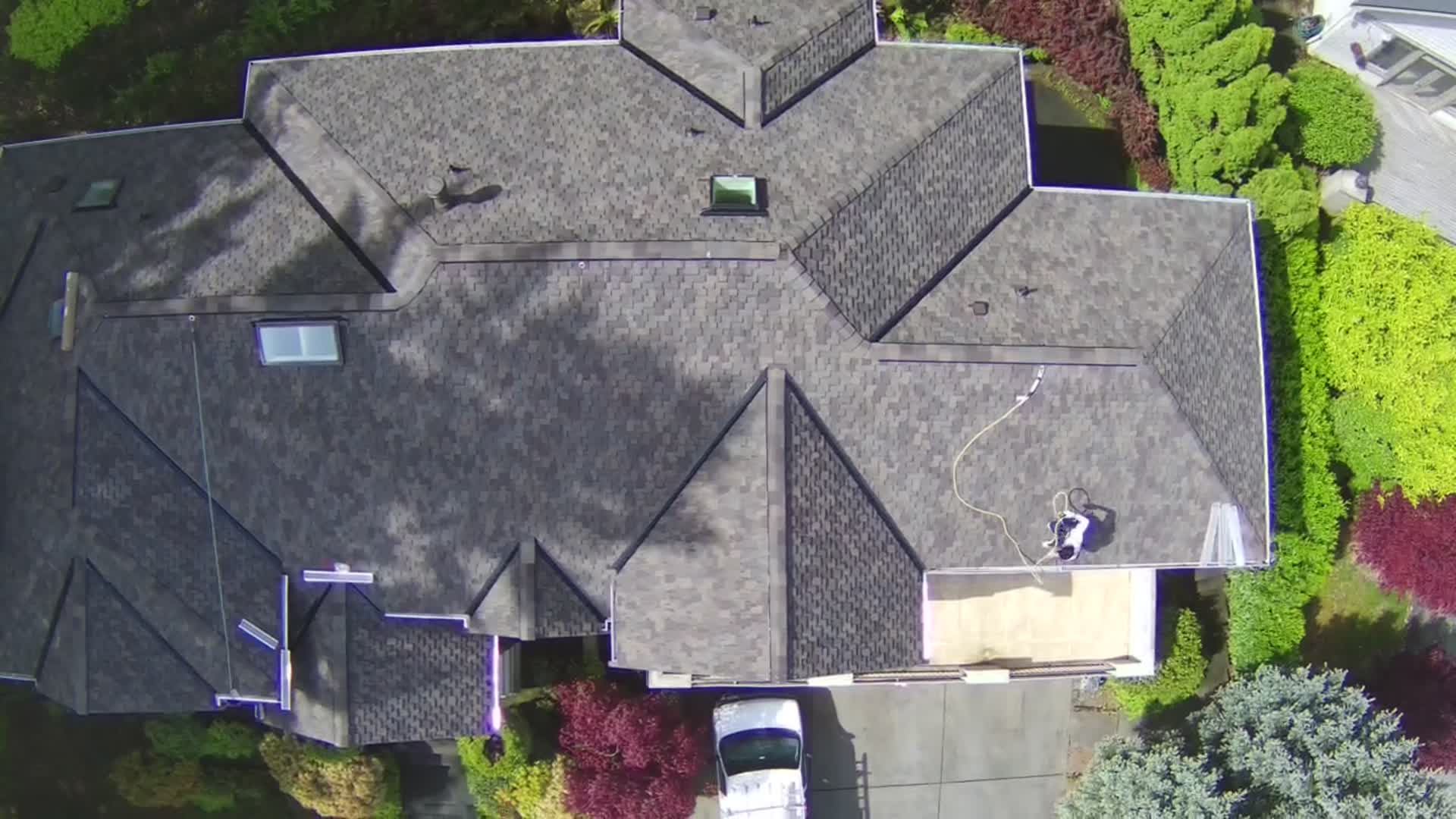
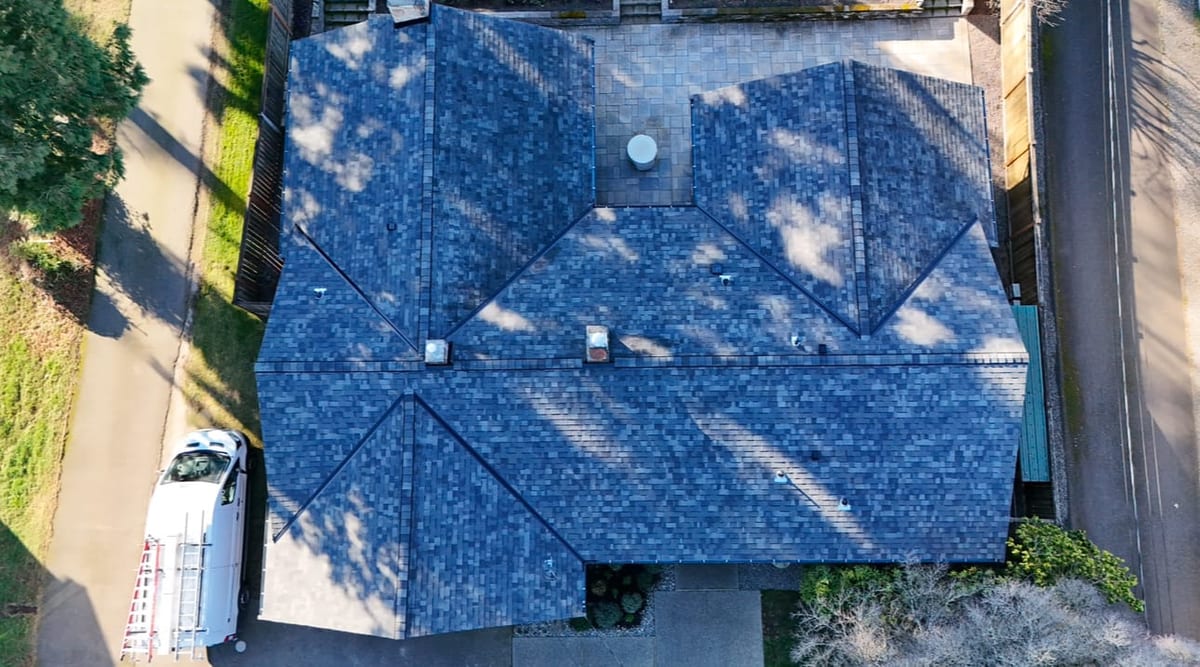
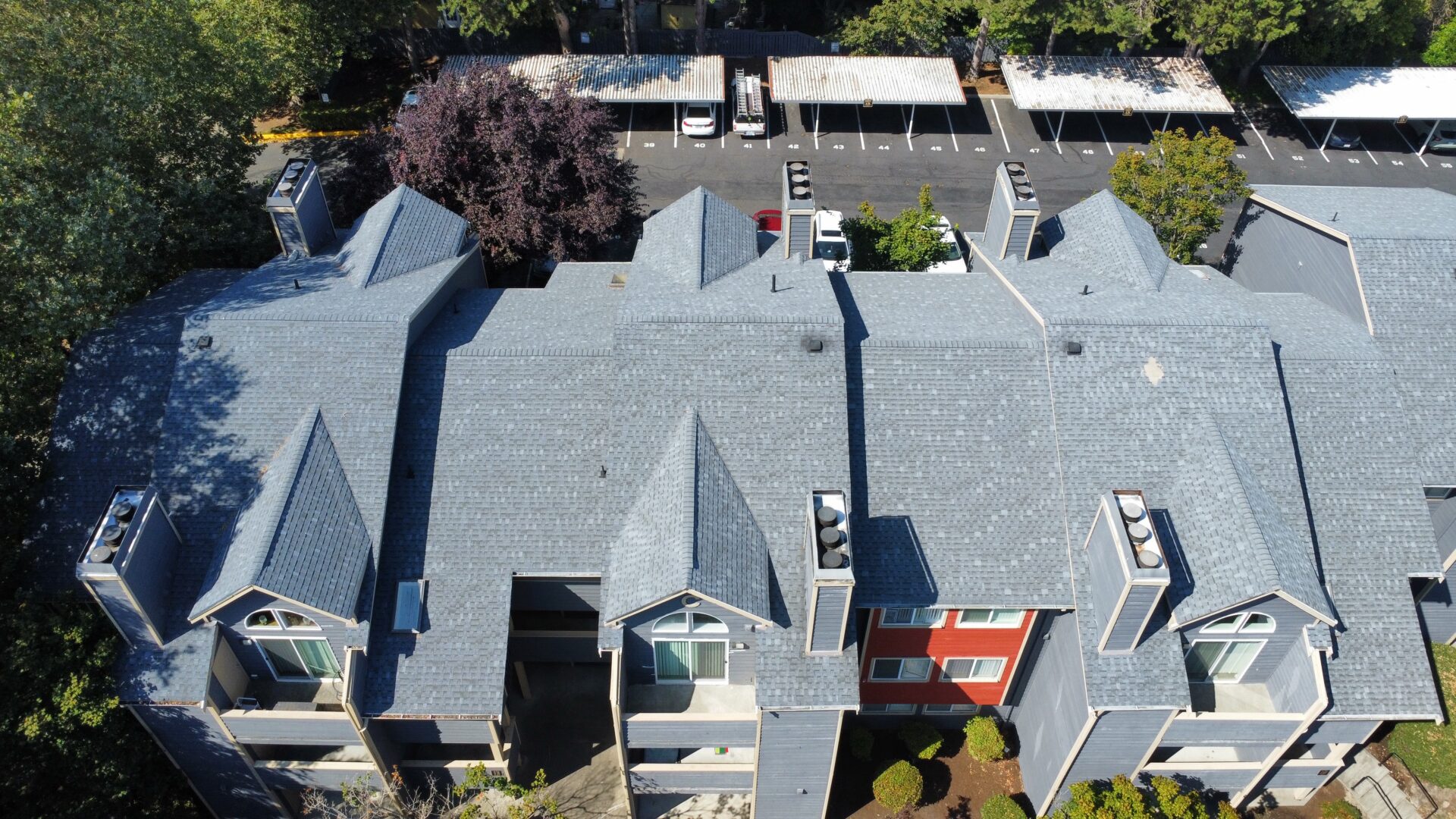
K Single Corp has been installing composite roofing systems across the Greater Seattle Area as demand has grown steadily over the past decade. We are certified installers for both DaVinci Roofscapes and Brava Roof Tile and have completed composite installations in neighborhoods throughout King, Snohomish, and Pierce County, from HOA-governed communities on the Eastside to historic Seattle neighborhoods where the cedar shake aesthetic is deeply rooted.
Why Composite Is Growing So Fast in the PNW
The Pacific Northwest has a unique relationship with cedar shake roofing. For generations, Western Red Cedar has been the signature roofing material of the region, gracing craftsman homes, colonial revivals, and mid-century neighborhoods across the greater Seattle area. But cedar’s beauty comes with a significant maintenance burden, and after decades of moss treatments, preservative applications, and shake replacement cycles, many homeowners are ready for a change, without giving up the look they love.
Composite roofing answers that need directly. The growth in composite installations across the Seattle area has been driven by several converging factors:
- Maintenance fatigue. Homeowners who have maintained cedar shake roofs for 20 or 30 years understand the cost and effort involved. When replacement time arrives, many are eager to switch to a material that preserves the aesthetic without the ongoing work.
- Fire safety awareness. With wildfire concerns increasing across the Western United States, including in Eastern Washington and the greater Puget Sound region during dry summers, Class A fire-rated roofing has become a priority. Composite shake achieves Class A without chemical treatment.
- HOA acceptance. As composite products have improved in realism and built a track record, homeowner associations that previously required natural cedar have increasingly approved composite alternatives. This has opened the door for homeowners in deed-restricted communities.
- Insurance considerations. Some insurance companies offer lower premiums for Class A fire-rated roofs. Homeowners switching from untreated cedar (Class C) to composite (Class A) sometimes see meaningful premium reductions.
DaVinci Roofscapes: Our Most-Installed Composite Brand
DaVinci Roofscapes has been manufacturing composite roofing since 1999 and has the longest track record in the industry. Their products are manufactured in Kansas using a proprietary polymer formulation with UV-stabilized resins and colorfast pigments distributed throughout the entire tile, not just on the surface. This through-body color means that scratches or chips do not expose a different-colored substrate.
Bellaforte Shake is DaVinci’s flagship shake profile and our most-installed composite product. It uses tiles of varying widths and thicknesses to replicate the natural irregularity of hand-split cedar. Each tile is molded from actual cedar shakes, capturing authentic grain patterns and split textures. The multi-width system creates a roof surface that is virtually indistinguishable from genuine cedar at normal viewing distances.
Multi-Width Shake offers a more uniform appearance than Bellaforte while still providing realistic shake texture. It is a popular choice for homeowners who prefer a somewhat cleaner, more orderly look while still achieving the shake aesthetic.
DaVinci Slate replicates natural slate roofing for homeowners who prefer that aesthetic. While less common in the PNW than shake profiles, composite slate is an excellent option for homes with European or traditional architectural styles.
DaVinci offers over 50 standard colors and the ability to create custom color blends. For PNW homes, the most popular selections are aged cedar tones, weathered gray blends, and natural wood tones that complement the region’s characteristic craftsman and contemporary architectural styles.
Brava Roof Tile: A Strong Alternative
Brava Roof Tile has built a solid reputation with their Cedar Shake profile, which incorporates recycled content into the manufacturing process. Brava tiles are heavier and denser than DaVinci’s, giving them a substantial feel and excellent wind resistance. Their color options are more limited than DaVinci’s, but the available selections cover the most popular PNW tones.
Brava’s recycled content composition appeals to environmentally conscious homeowners who want to reduce virgin material consumption. The company also manufactures composite slate and barrel tile profiles for homes requiring those aesthetic styles.
Head-to-Head: Composite vs. Real Cedar
For PNW homeowners deciding between composite and genuine cedar shake, here is how the two materials compare across the factors that matter most:
| Factor | Composite Shake | Genuine Cedar Shake |
|---|
| Installed cost (2,200 sq ft home) | $18,000 - $30,000 | $20,000 - $35,000 |
| Lifespan | 40 - 50 years | 30 - 50 years |
| Annual maintenance cost | $0 - $100 | $500 - $1,200 |
| Fire rating | Class A | Class C (untreated) |
| Moss resistance | Excellent | Poor |
| Authentic appearance | Very good | Authentic (natural) |
| Insurance impact | Standard or reduced rates | Higher premiums possible |
| Warranty | 50 years (transferable) | 20 - 30 years typical |
| Environmental | Engineered polymer | Renewable natural resource |
| Total 40-year cost | ~$20,000 - $34,000 | ~$40,000 - $83,000 |
The total cost of ownership comparison is striking. Even when the upfront costs are similar, the cumulative maintenance savings over 40 years make composite significantly less expensive over the life of the roof. For homeowners who have been spending $800 to $1,000 per year on cedar maintenance, the math is compelling.
What About the Authenticity Question?
We would not be honest if we said composite shake is indistinguishable from real cedar. Up close, there is a difference. Genuine hand-split cedar has an organic depth, a tactile warmth, and subtle color variations that come from being a natural material. Composite tiles, no matter how well molded, have a uniformity that reveals their manufactured origin upon close inspection.
However, roofing is viewed from a distance. From the street, from a neighboring yard, or from across the room looking out a window, the visual difference between quality composite and genuine cedar is negligible. Every homeowner weighs this authenticity question differently, and there is no wrong answer. If absolute natural material authenticity matters deeply to you, cedar is still available and we install it. If the look-from-the-street combined with freedom from maintenance is your priority, composite delivers exactly that.
Installation Process
Composite roofing installation follows a process similar to other steep-slope roofing materials but requires manufacturer-specific training and certification. K Single Corp’s composite installation process includes:
- Complete tear-off of existing roofing material to bare deck
- Full deck inspection with replacement of any damaged or deteriorated sheathing
- Installation of ice-and-water shield membrane at eaves, valleys, rakes, and around all roof penetrations
- Premium synthetic underlayment across the entire roof surface
- Starter course installation at eave edge per manufacturer specifications
- Composite tile installation with manufacturer-specified fastener pattern and exposure
- Hip and ridge tile installation with color-matched composite ridge caps
- Proper flashing details at all wall transitions, pipe penetrations, and equipment curbs
- Final inspection against manufacturer installation checklist
- Warranty registration with both K Single Corp workmanship warranty and manufacturer product warranty
One installation advantage of composite over natural cedar is consistency. Because composite tiles are manufactured to precise dimensions, they install faster and with fewer field adjustments than hand-split cedar shakes, which vary naturally in thickness, width, and taper.
Cost Expectations
For a typical 2,000 to 2,500 square foot Seattle-area home, a complete composite shake roof replacement runs approximately:
- DaVinci Bellaforte Shake: $22,000 - $32,000
- DaVinci Multi-Width Shake: $20,000 - $28,000
- Brava Cedar Shake: $18,000 - $26,000
These ranges include full tear-off, deck inspection and repair, underlayment, materials, labor, permits, disposal, and warranty registration. Final pricing depends on roof complexity, accessibility, color selection, and the extent of any deck repair needed.
Is Composite Right for Your Home?
Composite roofing is an excellent choice if any of the following describe your situation:
- You are replacing an aging cedar shake roof and want to keep the look without the maintenance
- Your HOA requires a natural material appearance but you prefer manufactured durability
- Fire safety is a priority and you want Class A rated roofing
- You value low ongoing costs and want to minimize lifetime roofing expenses
- You appreciate a long warranty backed by an established manufacturer
If you are considering composite roofing for your Seattle-area home, K Single Corp provides free on-site consultations with physical product samples so you can see and touch the materials against your home’s existing exterior. Contact us at (206) 659-4349 to schedule your appointment and find out whether composite shake is the right fit for your home.